November 4, 2026
Whose Voice Already Counts Before You Ask for Input
By Jodie Kluver
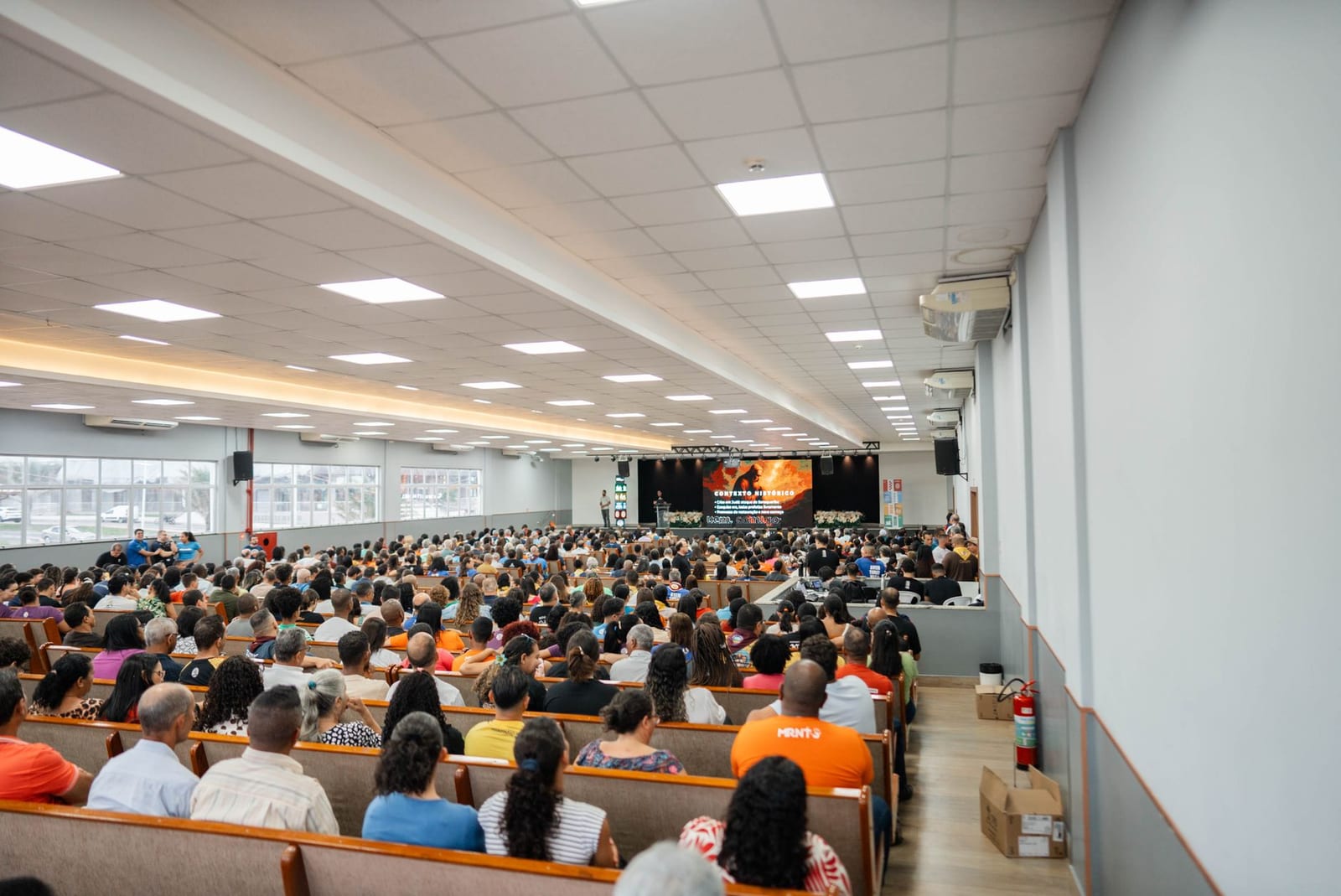
The Survey Goes Out, and Something Already Existed
A community survey goes live. A town hall gets scheduled for a Tuesday evening. A focus group gets recruited through the usual list of emails. This is how most organizations go about finding out what a community thinks, and on paper it looks thorough.
Here is the question almost nobody asks before any of that starts: who in this community is already organizing, already talking, already carrying influence, without us?
Every neighborhood has informal structures that never show up on an org chart. A group of parents who coordinate rides and watch each other's kids. A handful of longtime residents who everyone calls before they call city hall. A text thread, a porch conversation, a group that meets at the same table at the same diner every week. None of it is incorporated. None of it has a mission statement. All of it carries real voice.
Why Informal Networks Get Missed
Formal engagement processes are built to find people who will fill out a form or show up to a meeting at a scheduled time. That already filters out a lot of real influence. People with caregiving responsibilities, people working irregular shifts, people who distrust institutions for good reason, they are often the ones least likely to appear in a survey response, and most likely to be part of an informal network that is doing real work in their absence.
So the organization ends up listening to whoever was already positioned to be heard. The engagement plan looks successful by its own measure, response rate, attendance count, number of comments collected, while missing the structure that actually carries the most trust in that community.
What Counts as Voice, and What Doesn't
Voice is not the same as a comment card. Voice is the capacity to shape a decision, not just to be invited to speak about it. A lot of what organizations call community engagement is really just collecting opinions after the direction has already been set. That is not nothing, but it is not voice either.
Real voice shows up in places that are harder to track: in who gets asked for advice before a decision is made, in who other people defer to without being told to, in who holds a room's trust even without holding any title. An organization that only measures participation in its own formal channels will consistently miss this, because it is not designed to look for it.
A Question Worth Asking Before the Engagement Plan
Before drafting any outreach plan, I think the more useful question is simple: what is already working here, without us, and who is doing it?
That means asking around before asking the community at large. It means finding out which informal group already has the trust an organization is trying to build from scratch. Sometimes that group should be invited to shape the process. Sometimes the better move is to step back and support what is already happening, rather than build a parallel structure that competes with it.
This is not a formal methodology. It is a habit of mind: assume something is already there before assuming a gap needs filling.
What Changes When You Ask It
Organizations that skip this step tend to build engagement processes that compete with existing informal networks instead of working alongside them. They end up duplicating trust that already exists somewhere else, while wondering why turnout at their own events stays thin.
Organizations that ask the question first tend to design smaller, more specific outreach. They stop trying to reach everyone through one channel and start working through the channels that already have people's attention. The engagement looks less polished on paper. It usually reaches more of the people who actually matter to the decision.
Where This Leaves Formal Engagement Work
None of this argues against surveys, town halls, or formal input processes. They have a role. But they work better as a second step, not a first one. Find out what already exists. Find out who already has standing in a community before asking that community to show up on your schedule.
The organizations I respect most in this work are not the ones with the most polished engagement plan. They are the ones who did their homework on the informal structure first, and built everything else around it.